
UX Workflow : makes the process easy
A UX workflow is a step-by-step process, and designers must follow the process from conceptualization to design handoff.
An optimized design workflow improves collaboration, acknowledges the business value, reduces errors, and time to market to save the organization money and time.
A typical UX workflow loosely follows the five stages of the design thinking process , which are :
- Empathize – Discover what your users need
- Define – Determine the problem you want to solve
- Ideate – Develop possible solutions to users’ problems
- Prototype – Create prototypes
- Test – Test your prototypes with users & stakeholders
but there is no specific workflow method.
How to develop a UX workflow is a matter of preference for designers and organizations . Some design workflows will include a few steps, while others might have more. It's totally depends on multiple factors, including the product, organizational structure and policies, and tools, etc.
A Typical UX Workflow Steps
Here's the list of a typical design workflow most UX teams use:
1. Defining the business need or project scope
2. Research and Insights
3. Analyze research and ideate
4. Information architecture & user flows
5. Lo-fi prototyping
6. Hi-fi prototyping
7. Testing
8. Design handoff
Let's continue with the first step, which is :
1. Defining the business need or project scope

UX is all about solving users’ issues but within the context of the company and the product.
Defining the business needs or project scope is a very crucial and the first step of this process. Under this step, UX team will meet with the project manager and the stakeholders to discuss the business need & scope. This is a timetaking phase, might take several meetings and workshops to get input from all the stakeholders.
The business need will include:
Project Scope
Project Roadmap
Timeframe & Deadlines
Tasks & Objectives
User Data & Analytics
Financial & Technical Constraints
Stakeholders, Roles, & Responsibilities
2. Research & Insights

UX teams begin the research phase with a clear goal and purpose in mind.
Research methods will include:
General User Research
Conducting Interviews
User Focus Groups
Surveys
Competitor & Market Research
Note:: If it’s an already established digital product, UX team might review the old research or conduct usability examines relating to the new project scope.
3. Analyze Research & Ideate

UX Teams can ideate to develop solutions with a clear image of the users, problems, market, and business value opportunities. It’s a collaborative brainstorming exercise often involving stakeholders from several departments like engineering to get diverse ideas and perspectives, product, and marketing.
UX teams will analyze research insights to define:
User Personas
Empathy & Journey Maps
User Problems & Pain Points
Business Value Opportunities
4. Information Architecture & User Flows
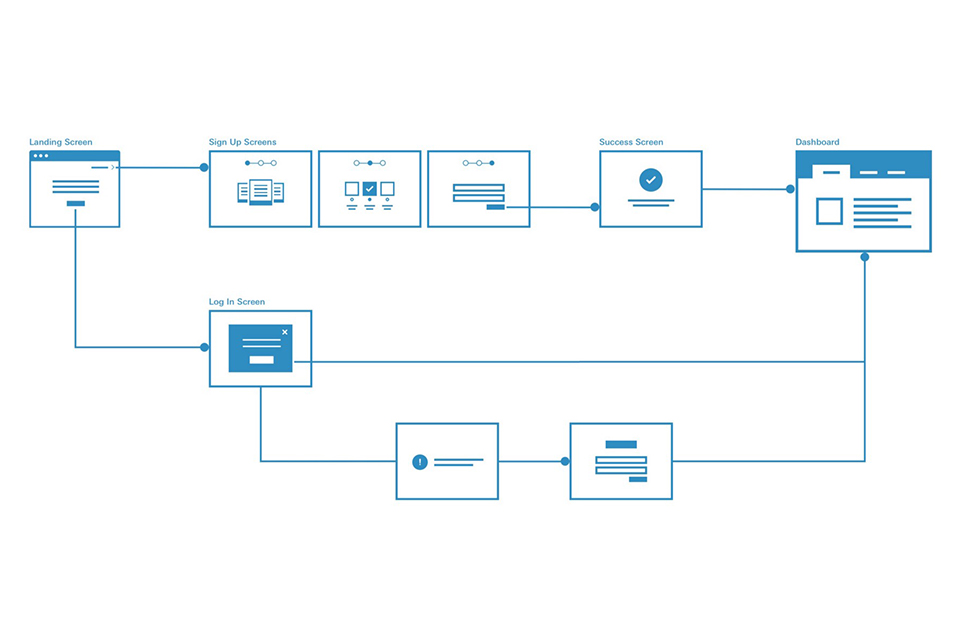
After the results of research, UX designers begin listing and organizing the screens they’ll need to design. With the help of final lists, they can create the information architecture or sitemap to define the user flows and navigation.
5. Lo-Fi Prototyping Design
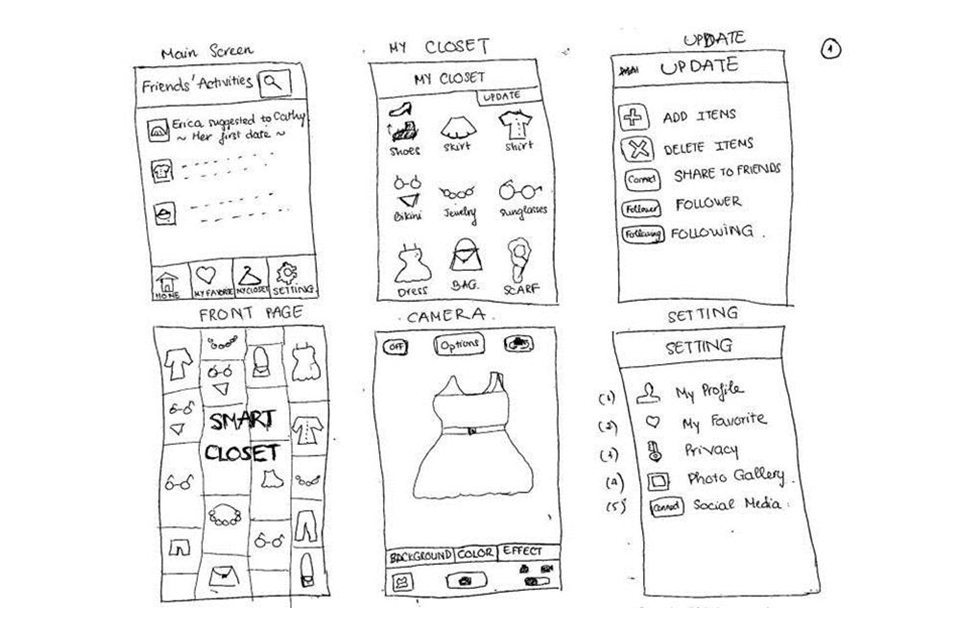
With the help of information architecture and user flows, uxers begin hand sketching wireframes to create low-fidelity paper prototypes.
Paper prototyping is a collaborative effort where uxers gather to simulate different user flows and identify the elements and components the product will need.
Once design teams have finished the paper prototyping, they create digital wireframes and low-fidelity prototypes using a lot of design tools. These lo-fi digital prototypes use simple click/tap interactions to test navigation and user flows.
6. Hi-Fi Prototyping Design
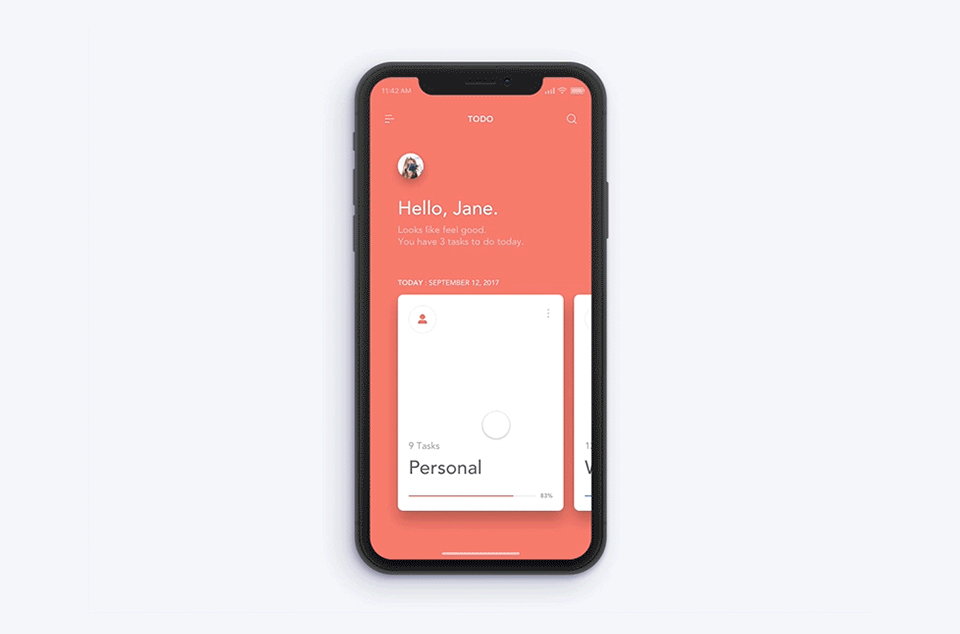
UI designers convert the low-fidelity wireframes to mockups that resemble the final product’s aesthetics, before adding the interactivity to create functioning hi-fi prototypes.
With prototyping tools, designers can build fully functioning high-fidelity prototypes with advanced interactions, button states, conditional formatting, variables, data capture, animations, and validation, expressions, etc.
7. Testing

The second last step in this UX workflow, but ultimately, designers begin testing from the very beginning. They might not always test with the participants, but designers will constantly experiment to validate the ideas and concepts.
The most critical testing happens, once design teams have working prototypes. Late usability testing with the end-users produces the meaningful feedbacks for designers to make changes, test, and iterate until the product is completely error-free and working as intended.
8. Design Handoff

Last step, The final design handoff to the development team is a critical part and often tense part of any designer’s UX workflow.
Like the second last step testing, the design handoff starts early in the design process. UX teams, Product teams, & engineers meet periodically throughout the project to ensure designs meet technical constraints & designers document their work correctly.
Designers create design documentation to keep all project details and assets in one place.
Bottom Summary
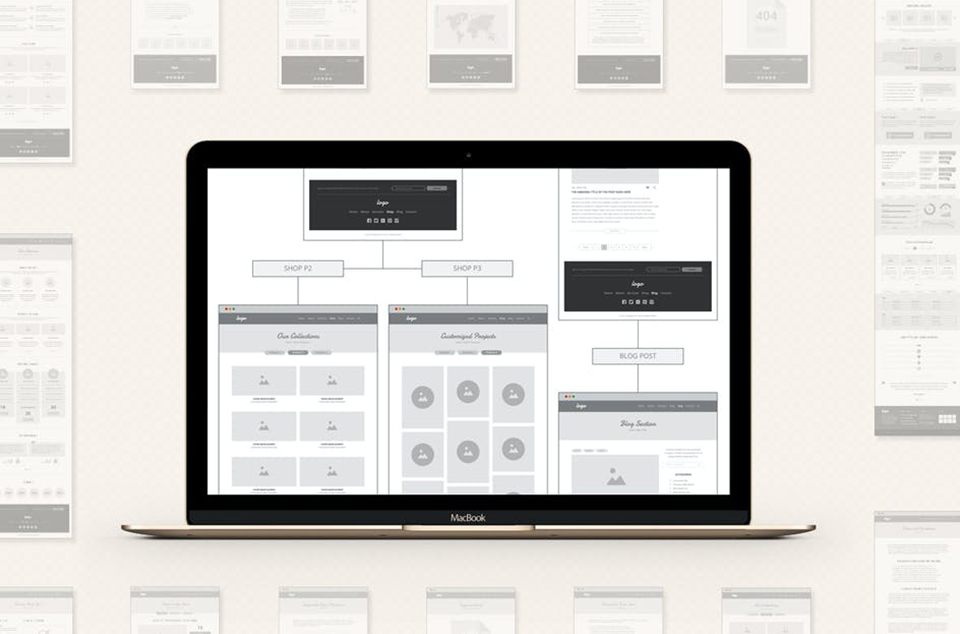
Organizations must find ways to facilitate communication to ensure designers, engineers, and product teams work together throughout the design process.
Testing is another very crucial element to a robust UX workflow. Teams must test early and test often! Make sure your tests and participants/users are trusted, so that you get meaningful feedbacks and iron out as many usability issues as possible.
1 comment(s)
Gyandeep Sharma23 January, 2022 at 10:14 AM
Nice Blog...
Leave a comment

